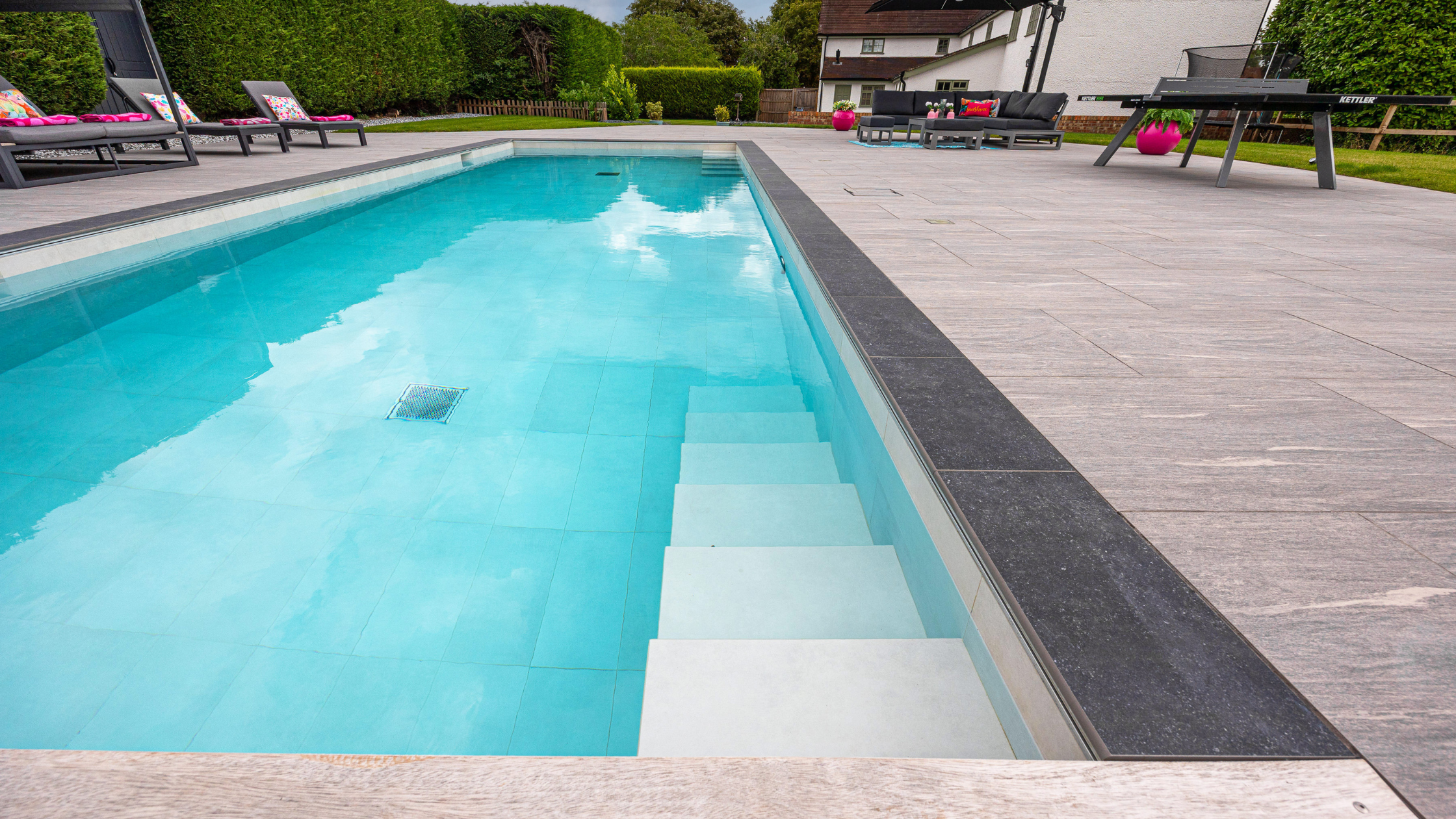
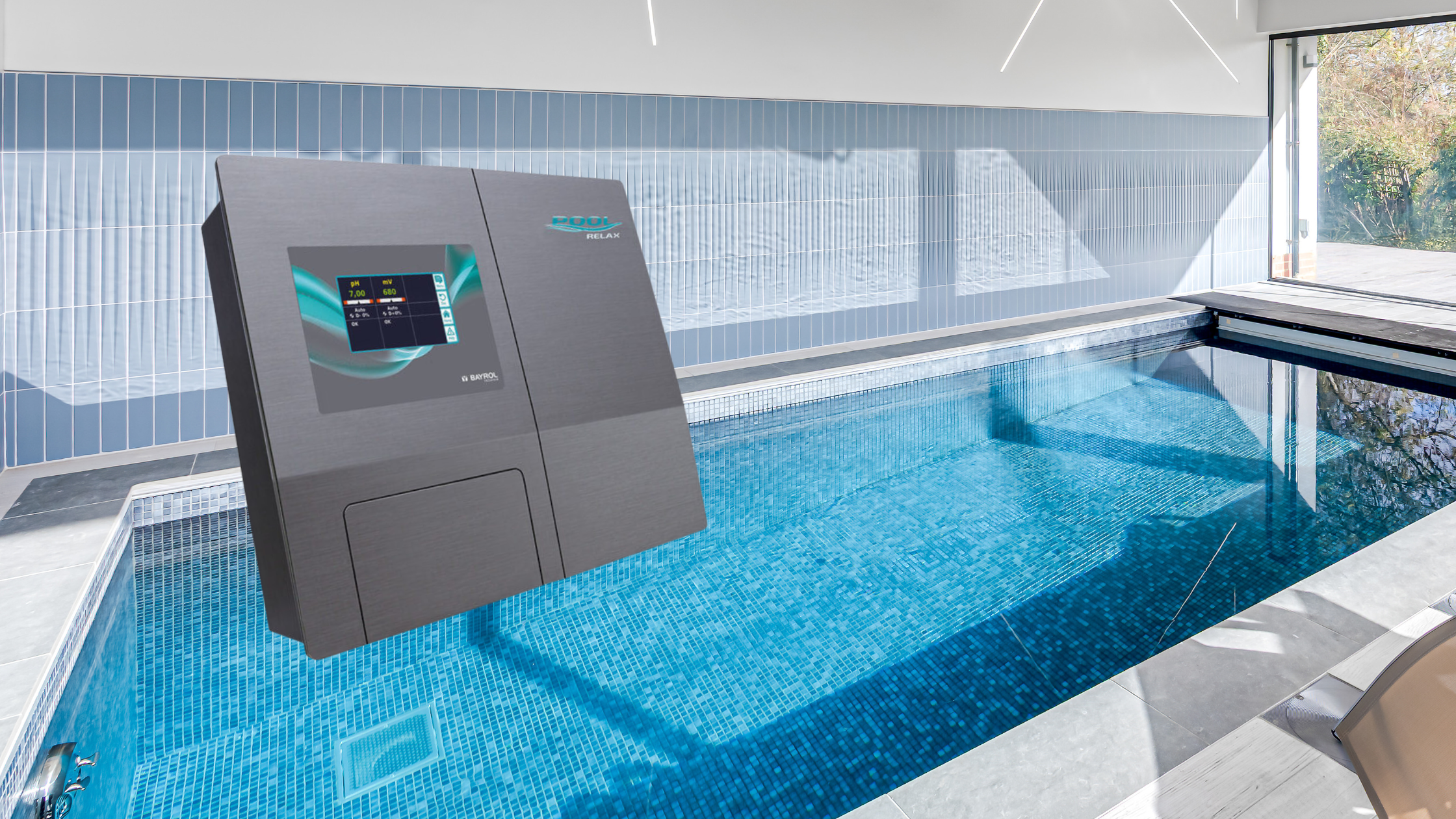
Rain effect on pool water.
Ah, the great British weather — famous for its rain, often accompanied by heavy downpours. While we look forward to spring and the first swim of the year, it’s important to understand how rainfall affects your pool. Even a few weeks of unpredictable weather can have a significant impact on your pool’s water balance, clarity, and overall health.
Whether you’re in Bedford, Milton Keynes, Luton, Northampton or Cambridge, rain can affect water chemistry and clarity — here’s how to manage it.
In this guide, we explore the effects of rain on pool water and provide expert advice on how to maintain a pristine swimming environment, no matter the weather.
How Rain Impacts Your Pool Water
Rainwater can influence your pool in several key ways:
- Alters pH levels
- Dilutes chemicals
- Introduces contaminants
- Raises water levels
- Promotes algae growth
Understanding these effects is essential for keeping your pool safe, clean, and ready for swimming.
1. Changing the pH of Your Pool
Rainwater is naturally slightly acidic, which can lower your pool’s pH. A pH below 7.2 may:
- Cause skin and eye irritation
- Damage swimwear or pool liners
- Reduce the effectiveness of sanitising chemicals
Pro tip: Even when your pool isn’t in use, check the pH after rainfall to treat it promptly and reduce chemical usage.
2. Diluting Pool Chemicals
Heavy rain can dilute vital pool chemicals such as:
- Chlorine or other sanitizers
- Salt (for saltwater pools)
- Alkalinity and calcium hardness
Dilution can compromise water quality, so regular testing and adjustment are essential after storms.
3. Introducing Contaminants
Rain often carries dirt, debris, and even chemical residues from roofs, decks, or surrounding soil. This can:
- Cloud your water
- Increase maintenance requirements
- Introduce contaminants that encourage algae growth
Keeping your pool covered during storms helps reduce debris entry and protects water quality.
4. Raising Water Levels
Heavy rainfall can raise your pool water above the ideal level. This may:
- Dilute chemicals further
- Cause overflow or drainage issues
- Stress pool equipment like filters and pumps
Monitoring water levels and adjusting after heavy rain prevents unnecessary strain on your pool system.
5. Increasing Algae Growth
Chemical imbalances caused by rain can trigger algae blooms, turning your pool green. Preventative measures include:
- Regular testing and balancing of chemicals
- Using algaecide after storms
- Shocking the pool if necessary
These steps ensure your pool remains crystal-clear and safe for swimming.
Preparing for Rainfall: Protecting Your Pool
To maintain your pool’s health during wet weather, consider these expert tips:
- Cover Your Pool – Minimise debris entry and chemical dilution.
- Remove Debris Promptly – Use skimmers, leaf rakes, or roller vacuum heads to clear large and fine debris.
- Treat With Algaecide – Prevent algae growth before it takes hold.
- Super-Chlorinate if Needed – Shock your pool to restore chemical balance.
- Test Water Regularly – Check pH, alkalinity, calcium hardness, and sanitizer levels.
Post-Storm Swimming Advice
We recommend avoiding swimming for at least 72 hours after heavy rainfall. This helps prevent recreational water illnesses and allows time for water chemistry to stabilise.
Your Pre- and Post-Storm Pool Kit
Need help getting your pool back to perfect condition after a storm?
Our team of Blue Cube Pools experts is here to help. From chemical balancing to debris removal and system checks, we can ensure your pool is safe, clean, and ready for enjoyment.
Keep your pool pristine, no matter the weather. Download our Free Pool and Design Guide or contact Blue Cube Pools today to schedule expert post-storm care and maintenance.