A pool chemical dosing system relies on several key components to ensure accurate and safe dosing. Understanding each component helps pool owners and operators optimise performance and prevent problems
1. Chemical Dosing Pumps
The heart of the system, dosing pumps deliver chemicals accurately. Key types include:
- Diaphragm pumps: Use a moving diaphragm for precise dosing
- Peristaltic pumps: Compress tubing to create a continuous chemical flow
- Piston pumps: Use a reciprocating piston to deliver exact amounts
2. Chemical Storage Tanks
Storage tanks hold chemicals before they enter the pool. Proper storage prevents contamination and ensures consistent dosing. Tips include:
- Choose chemically resistant materials (HDPE or stainless steel)
- Ensure adequate capacity to avoid frequent refills
- Prevent leaks and accidental mixing
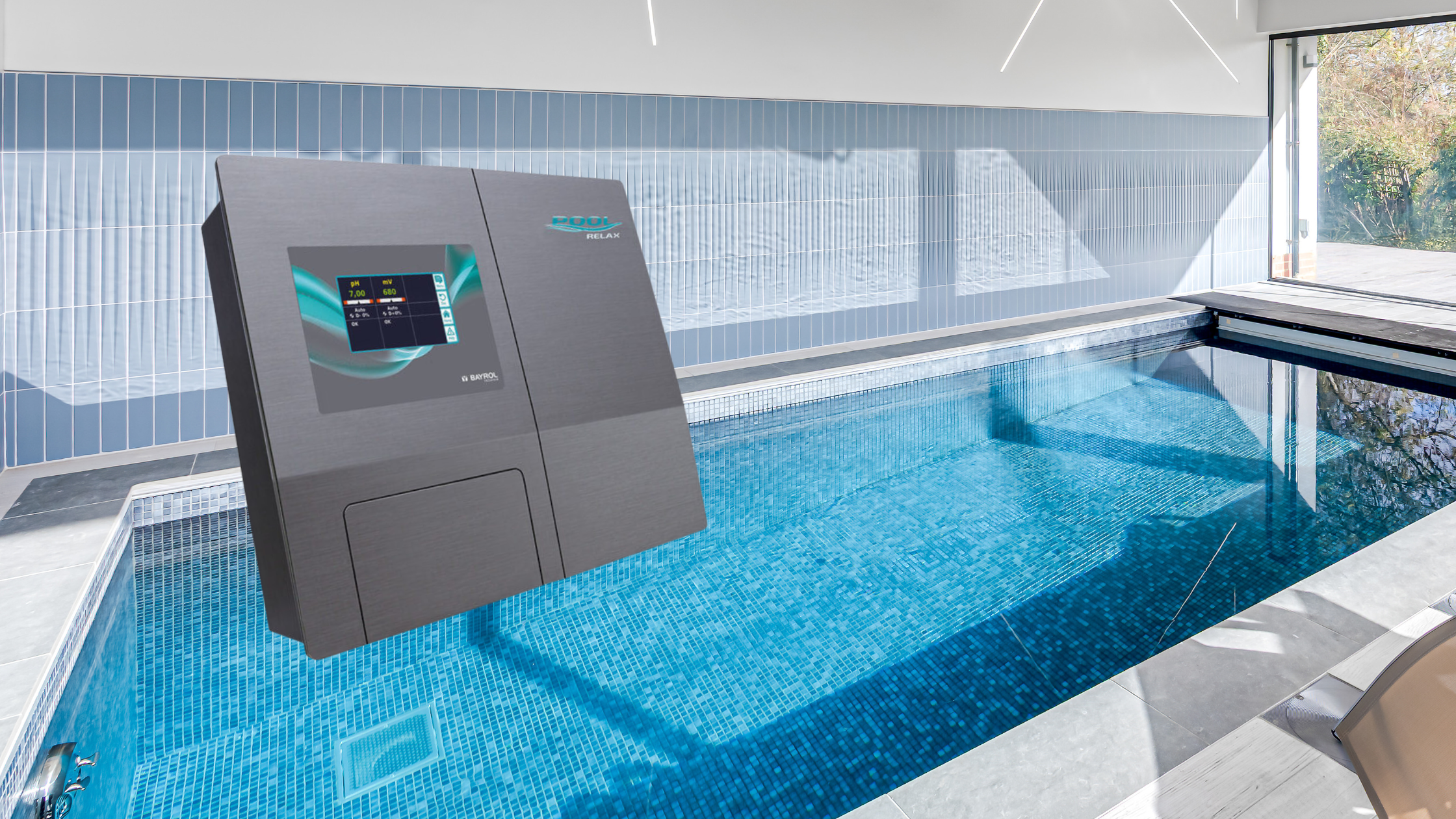
3. Control Systems
Control systems regulate chemical dosing, monitoring water parameters such as pH, disinfectant levels, and temperature. Modern systems often include:
- Automated dosing adjustments
- Remote monitoring capabilities
- Scheduling for high-usage times
Whether you manage a pool in Bedford, Northampton, or Cambridge, understanding the parts of a dosing system helps prevent water imbalances. Contact our team for guidance on optimising your pool’s components for safe, clear water.