1. You are losing water you cannot explain
Some water loss is normal in summer through evaporation. A pool that needs topping up far more than it used to is a different matter. Steady, unexplained loss usually points to a leak in the shell, the pipework or a fitting. Leaks rarely fix themselves and they tend to get worse, so this is the sign to act on first.
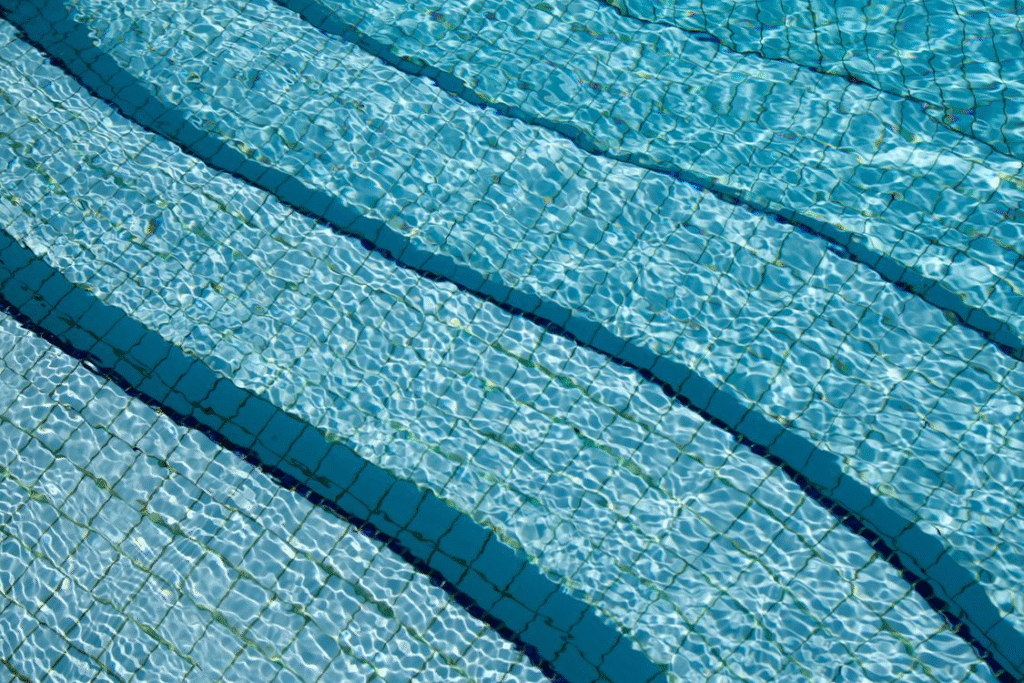
2. The surface feels rough or looks stained
Run your hand along the waterline and the steps. A surface that feels rough, chalky or sharp has started to break down. Stubborn stains, dark patches or a finish that no longer cleans up are signs the same thing. A failing surface is not just cosmetic. It makes the water harder to balance and gives algae somewhere to take hold.
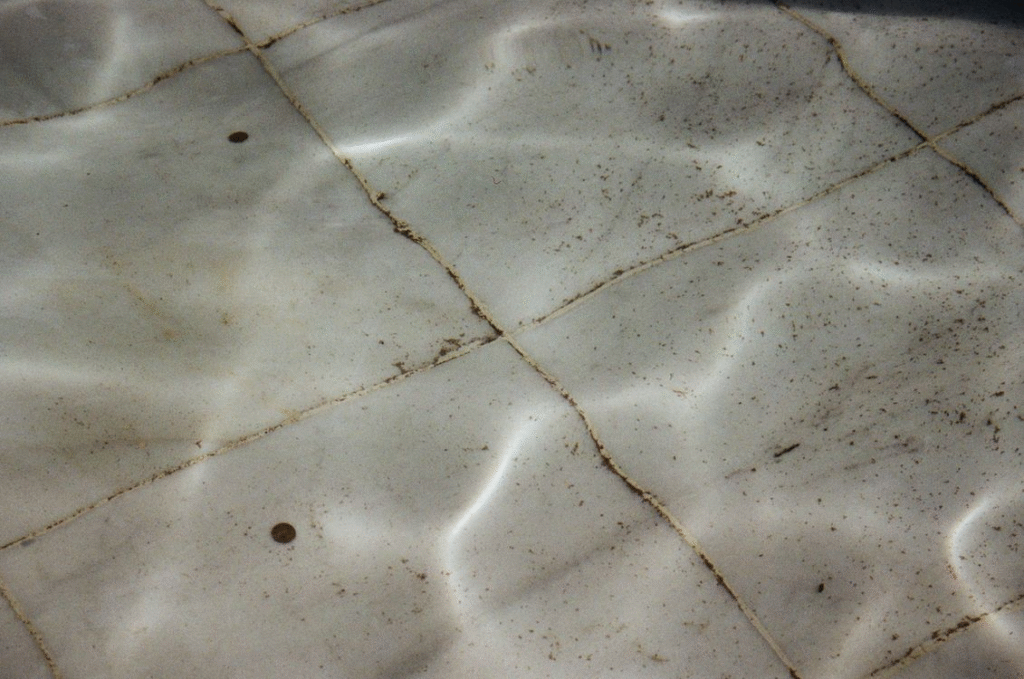
3. Cracked, loose or missing tiles
A cracked tile here and there can be a simple repair. Cracking along the waterline, tiles lifting away from the wall, or grout washing out is a sign of movement or water getting behind the finish. Left alone, this lets water reach the structure, which turns a tiling job into a structural one.
4. The liner is wrinkled, faded or pulling away
If your pool has a liner, it has a lifespan. Fading, wrinkling, stretching at the seams or pulling away from the edges all mean it is near the end of it. A tired liner is prone to tears, and a torn liner means water behind it and a bigger repair. Replacing a liner at the right time is far cheaper than dealing with the damage a failed one causes.
5. The plant room is old, noisy or struggling
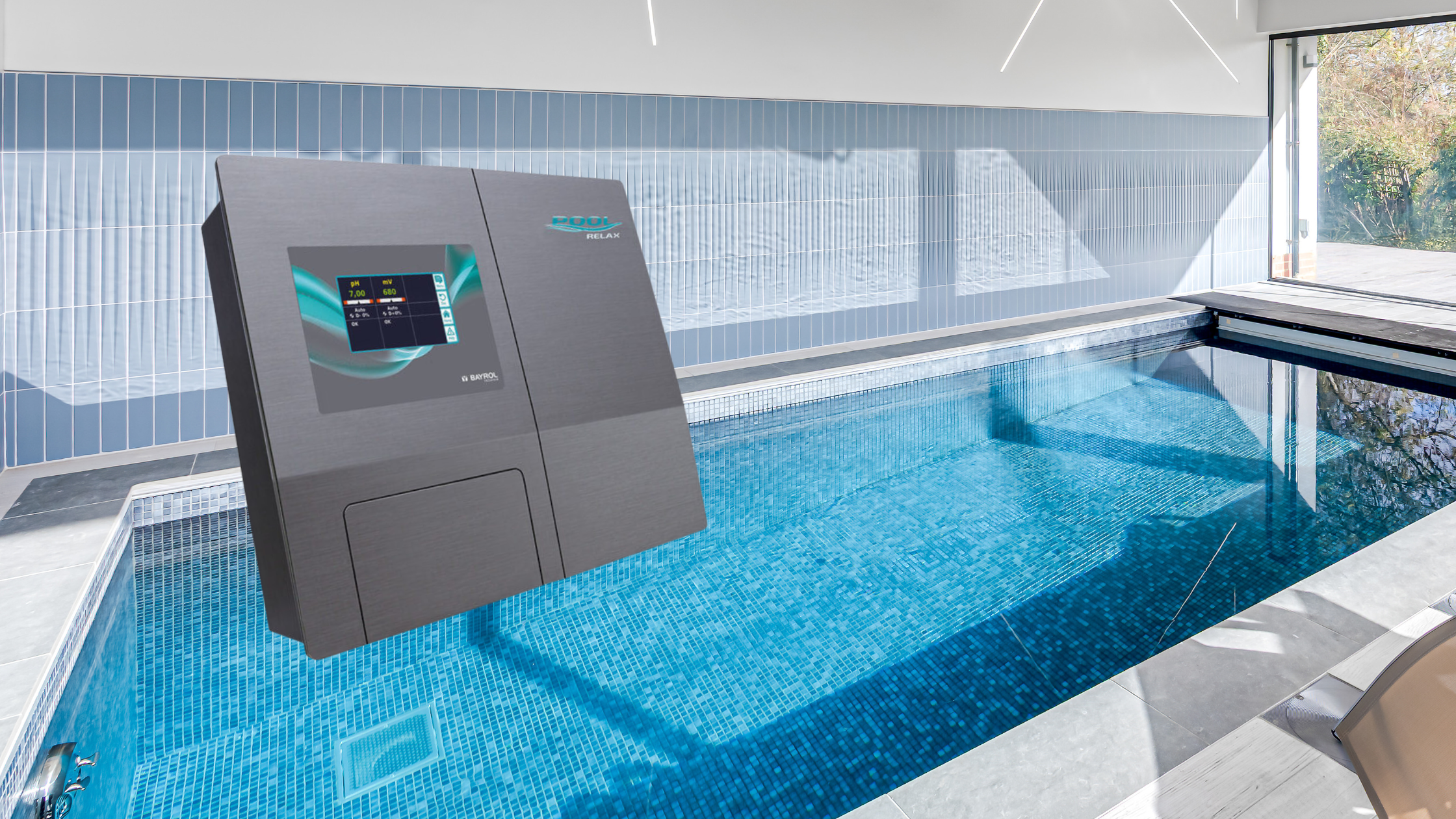
The pump, filter and heater do the work that keeps your pool usable. Equipment that is loud, leaking, frequently tripping or simply old is costing you money and is likely to fail when you least want it to. Older plant is also far less efficient than current equipment, so an upgrade often pays for part of itself through lower running costs.
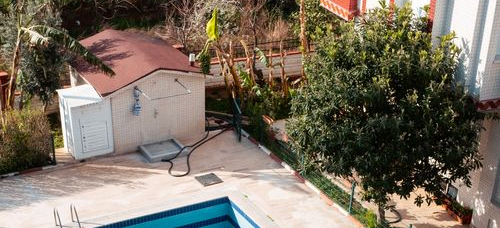
6. The pool costs more to run every year
Rising running costs without rising use is a quiet warning sign. It usually means your equipment is working harder than it should, your pool is losing heat it should hold, or the water is harder to balance because the surface and circulation are past their best. A renovation that addresses the cause, rather than just the symptom, brings those costs back down.
7. It no longer suits how you live
Not every reason to renovate is a fault. Pools built decades ago were designed for the way people used a garden then. If yours is the wrong shape, lacks the heating to extend the season, or simply looks dated next to the rest of your home, renovation is how you bring it up to standard without starting from scratch.
Renovation or rebuild: how to decide
The honest answer depends on the structure. If the shell is sound and the issues are surface, tiling, liner or plant, renovation is almost always the better value. It costs less, takes less time, and keeps the disruption to your garden down. A full rebuild only makes sense when the structure itself has failed, or when you want to change the size or position of the pool. A proper survey settles the question rather than guessing.
Frequently asked questions
How often does a swimming pool need renovating?
There is no fixed schedule. Surfaces, liners and equipment all age at different rates depending on use and maintenance. Most pools need significant work somewhere between fifteen and twenty-five years, with smaller jobs along the way.
Can you renovate a pool without rebuilding it?
In most cases, yes. If the structure is sound, the surface, tiling, liner, plant and surround can all be renewed while keeping the existing shell. That is the difference between a refurbishment and a rebuild.
How long does a pool renovation take?
It depends on the scope of work and the weather. A liner or plant upgrade is measured in days. A full resurface and re-tile takes longer. We give a clear timeline once we have assessed the pool.
Get an honest assessment before you spend
If you have spotted one or more of these signs, get the pool assessed before the problem grows. A clear diagnosis tells you exactly what needs doing and what does not, so you are not paying for work you do not need.
If you are not 100% sure about the condition of your pool, or would like someone to come over to assess any potential damages to your pool. Get in contact with a local pool surveyor like Swimming Pool Surveys.